

I Regret Two Viral Korean Skincare Trends — But One Surprised Me
By Luna Jade – Your Honest K-Beauty Guide
Curious which two viral Korean skincare trends aren’t worth your time — and which one surprisingly works? I tested them all so you don’t have to.
I remember the day I clicked add to cart on these products. They were inspired by two viral Korean skincare trends.
They were everywhere: TikTok reviews, YouTube GRWMs, glowing five-star posts on Instagram. If you searched “Korean skincare,” chances are you’d see these two trends pop up almost immediately. And like everyone else, I wanted skin like glass, like jelly, like dew—basically, skin that didn’t look like mine.
But after a few weeks of trying these so-called miracle trends, my skin told me a very different story.
Let me walk you through what happened, what I learned, and the one product that actually made a difference.
Trend #1: The 7-Skin Method
This was the first one I tried. Seven layers of toner. Seven. I had to reread the instructions twice because it sounded excessive. But I was also desperate to hydrate my flaky skin, and everyone swore by it.
At first, it felt relaxing. A sort of meditative ritual. I’d stand in front of my bathroom mirror, tapping layer after layer into my face. The coolness of the toner, the repetition of the steps—it felt like I was doing something good for myself.
But by day four, my skin felt heavy. Not hydrated—just weighed down. Then came the breakouts. Tiny bumps across my cheeks and forehead. My skin wasn’t glowing—it was confused.
I thought maybe I wasn’t doing it right. Maybe the toner I picked was wrong. So I tried another one. Still no luck.
I looked closer at the ingredients in the toners I was using. I realized they were loaded with humectants. They had little to no barrier-supporting components. Basically, I was feeding my skin water without giving it a roof to hold that hydration in.
Big mistake.
What’s worse? I ignored the signs. I kept going, hoping that tomorrow would be the day I’d wake up with K-drama skin. Instead, I woke up with redness. I also experienced tightness and that dreaded flaky texture. Makeup clings to this texture in all the wrong ways.
Trend #2: Snail Mucin Everything
This was a no-brainer purchase. Snail mucin serums and creams were everywhere in 2024. Reviewers claimed it fixed acne scars, dryness, sensitivity—you name it. It was described as a holy grail.
So, I bought a popular one and started using it every night.
The texture? Slimy but oddly satisfying. The result? Nothing.
Not worse, but not better either. My skin felt the same. No glow. No softness. Just… the same.
I kept going, thinking maybe it needed more time. But three weeks in, still no change. And I started wondering—was it really doing anything, or had I just fallen for the aesthetic of the trend?
To be honest, I was disappointed. I had high hopes for this one. But looking back, I think my skin just didn’t need what snail mucin was offering. It was a mismatch. Not all ingredients work for everyone, and that’s something the internet doesn’t always remind us of.
What Actually Helped: Dr. Jart+ Cicapair Tiger Grass Cream
After those two failed trends, I almost gave up trying new products. I felt burnt out. Skincare fatigue is real.
But a friend (and fellow skincare trial victim) handed me a sample of Dr. Jart’s Cicapair Cream.
I wasn’t expecting much. But wow.
After about a week, my skin started looking less irritated. The dry patches became less noticeable, and I felt more at ease in my routine.
And for the first time in a long time, my skin felt… safe. Like it wasn’t fighting anymore. Just resting.
It didn’t give me glass skin. But it gave me my skin back.
For the first time in a while, my skin actually felt comfortable. Smiling didn’t make it feel tight or overly sensitive anymore. That didn’t look irritated under makeup. That I could just cleanse, moisturize, and move on with my day.
The Illiyoon Ceramide Ato Concentrate Cream
It may not be trending, but it worked.
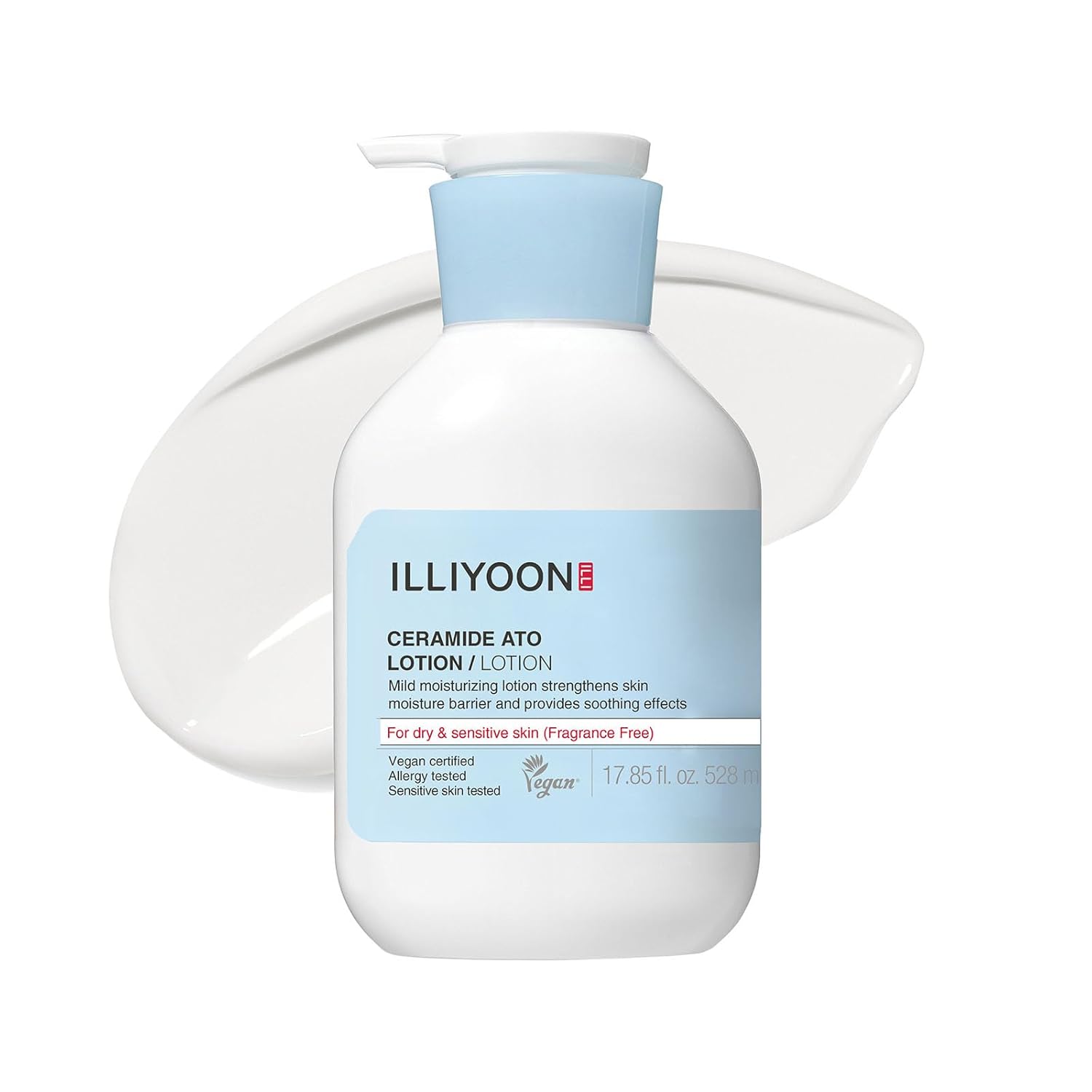 Available on Amazon
The Emotional Cost of Skin Hype
When you follow viral trends, you’re not just spending money—you’re investing hope. That this one might fix things. That this might be the solution to your redness, breakouts, or insecurity.
And when it doesn’t work? It’s not just a product failure. It feels personal.
I spent weeks hiding behind layers of BB cream, hoping no one would notice how irritated my skin was. I skipped dinners, avoided close-up photos, and constantly checked my reflection in every window I passed.
Skincare is supposed to be care. Not stress.
What I Learned
Skincare trends are fun to watch, but not all of them are made for your skin. Here’s what I took away from trying these two viral Korean skincare trends:
- Your skin has limits — Even hydration can be overdone.
- Texture ≠ performance — Just because something feels nice doesn’t mean it works.
- Hype fades, your skin stays — Don’t follow a trend if your skin is telling you otherwise.
- Patch test, always — Especially with products that have intense active ingredients or layered routines.
- Start simple — A routine doesn’t have to be 10 steps to be effective.
Final Thoughts on Two Viral Korean Skincare Trends
I regret trying these two viral Korean skincare trends—not because they’re inherently bad, but because I ignored my skin’s signals. I wanted quick fixes and fell for internet promises.
But that doesn’t mean I’ll stop exploring skincare. It just means I’ll listen better next time.
If you’ve tried these trends—or any viral ones—leave a comment or email me. Let’s share the real stories behind the glass skin fantasy.
And if you’re feeling overwhelmed by skincare, here’s a tip: Go back to basics. One calming cream might do more for your skin than seven layers of anything.
Related Read:
I Tried 5 Korean Moisturizers for Sensitive Skin
Skincare Mistakes in Your 20s — The Biggest One I Made
Want my personal skincare checklist that helped me recover from trend overload?
Leave your email here and I’ll send you the free download.
Affiliate Disclosure: This post may contain affiliate links. Purchases via these links may earn a small commission at no extra cost to you.
AdSense Notice: Ads shown on this page are automatically served by Google AdSense and are not related to affiliate content.
Medical Disclaimer: This post reflects personal experience and is not intended as medical advice. Please consult a qualified professional if you have specific skin concerns.


