

Confused About Your Skin Type? Here’s How to Figure It Out at Home (No Tools Needed)
By Luna Jade — Exploring how to know your skin type at home through simple, real-life tests for clearer, healthier skin.
When my friend Emily turned 29, her skincare routine stopped working — seemingly overnight. We then wondered how to know your skin type at home to better tailor her skincare products.
She had always assumed her skin was oily. After all, her forehead was shiny by noon, and she avoided cream moisturizers like the plague. But after a month of mysterious dry patches and foundation that flaked off her cheeks, she realized something was off.
“I thought I had oily skin. Turns out… I was dehydrated and using the wrong products for years,” she said, shaking her head.
Emily isn’t alone. Most people aren’t 100% sure what their actual skin type is — and that leads to confusing product reactions, breakouts, and money wasted on the wrong items.
This guide walks you through exactly how Emily figured out her skin type at home — no dermatologist visits or expensive tests needed. Just a mirror, a bit of patience, and two tried-and-true skin type tests.
Why Knowing Your Skin Type at Home Matters More Than Ever
Your skin type affects everything:
- What kind of cleanser you should use
- Whether your moisturizer should be lightweight or rich
- How often you should exfoliate
- Whether certain ingredients (like niacinamide or salicylic acid) help or harm
“I blamed the products,” Emily said. “But I was treating the wrong skin type the whole time.”
Skin Type Basics — How to Recognize Yours at Home
Before you test, let’s clarify the five common types:
Normal – Balanced, not overly dry or oily
Oily – Skin produces excess sebum, often shiny and breakout-prone
Dry – Skin feels tight or flaky, lacks oil
Combination – Oily in T-zone (forehead, nose, chin), dry elsewhere
Sensitive – Easily irritated, reacts to fragrance or harsh ingredients
How to Know Your Skin Type at Home (Emily’s Example)
Wash Test: Know Your Skin Type Without Tools
Emily started by washing her face with a gentle cleanser, then waited 60 minutes — with no toner, moisturizer, or serum.
She took notes:
| Area | Feeling After 1 Hour | Result |
| Forehead | Slight shine, no tightness | Oily |
| Cheeks | Tight and itchy | Dry |
| Nose | Noticeable shine | Oily |
| Jawline | Flaky | Dry |
Verdict: Combination + Dehydrated Skin
“I couldn’t believe my cheeks were that dry. I was only focusing on the oil,” she said.
Try it yourself:
- Wash your face with a gentle, low pH cleanser
- Don’t apply anything afterward
- Wait 1 hour
- Observe: Are you oily? Tight? Flaky?
Many people find this gentle low pH cleanser soothing after cleansing
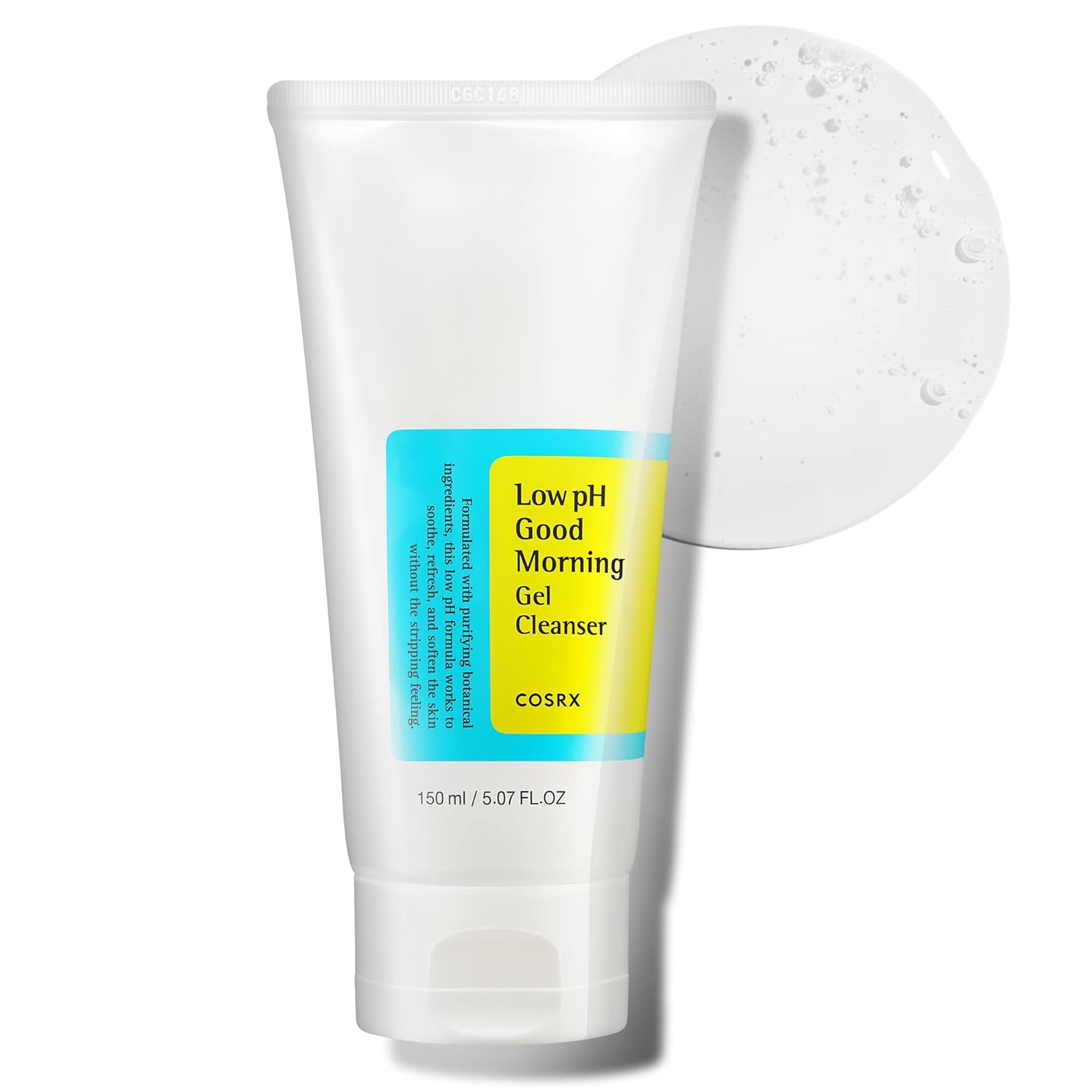 Available on Amazon
Blotting Sheet Test to Check Your Skin Type at Home (Optional)
On another day, Emily used oil blotting paper on five areas of her face after four hours without products.
Her results:
- Forehead: Paper soaked → oily
- Cheeks: Paper dry → dry
- Chin: Slight oil → combo
“This confirmed the wash test. My T-zone really was oily — but that didn’t mean I needed to dry everything out.”
You can use regular tissue if blotting paper isn’t available — look for shine, not sweat.
Common Misconceptions When Testing Your Skin Type
My skin feels tight, so I should exfoliate.
You might be over-exfoliating dry or sensitive skin already.
My skin is shiny, so it’s oily.
Not always. Dehydrated skin can also overproduce oil.
Moisturizer makes me breakout.
Wrong type, not your skin type’s fault.
Best Product Swaps After Learning Her Real Skin Type
Once Emily adjusted her routine for combination + dehydrated skin, everything changed.
Here’s what helped:
Cleanser: Low pH, Fragrance-Free
No foam, no stripping
Moisturizer: Gel Cream on T-zone, Cream on cheeks
Layered instead of using one-size-fits-all
Gel cream vs moisturizer comparison
SPF: Lightweight, non-pilling
Best non-pilling SPF under makeup
Product she recommended:
Paula’s Choice Skin Balancing Toner
Alcohol-free, fragrance-free
Designed to balance oil and hydration
Suitable for both dry and combination skin types
 Available on Amazon
This toner helped me balance my T-zone without drying my cheeks — total game changer,” Emily said.
Can Your Skin Type Change? When to Retest at Home
It probably will — and that’s normal.
“My skin in winter is totally different than in summer,” Emily noted.
Triggers that can shift your skin type:
- Weather (humidity vs heater)
- Hormones
- Diet
- Medications
- Stress
So, retest every 3–6 months using the same wash test.
When At-Home Skin Type Tests Aren’t Enough to See a Dermatologist Instead
If you notice:
- Rashes or constant flaking
- Persistent breakouts that don’t improve
- Redness that doesn’t go away
…it’s time to consult a professional.
But for 80% of people, the at-home method is accurate enough for product shopping and routine building.
My Dear Emily’s Final Advice on How to know Your Skin Type at Home
“I wish someone told me this years ago. I spent hundreds on toners and masks that didn’t work — because I didn’t know what I was treating.”
Emily says if there’s one thing she could go back and fix in her skincare journey, it would be learning how to know your skin type at home — early and properly.
She used to rely on product trends and TikTok recommendations, assuming oily skin just meant matte everything. But the moment she did a simple at-home test and discovered her skin was actually combination and dehydrated, everything clicked.
Please note: “Knowing you real skin type help you stop the guesswork. you will stop wasting money and know what it actually needed on your skin.”
Want More Skincare Simplified?
Let’s stay in touch — get my personal skin journey, product tests & honest tips straight to your inbox.
Disclosure: This post may contain affiliate links. I only recommend products I trust. If you purchase through these links, I may earn a small commission—at no additional cost to you.
Note: Ads shown on this page are automatically served by Google AdSense and are not related to affiliate content.
Disclaimer: This post reflects personal experience and is not intended as medical advice. Please consult a qualified professional if you have specific skin concerns.


