

How to Treat Oily Skin That Feels Tight – Dermatologist-Approved Complete Guide
By Luna Jade– beauty editor at Kbrands Glow, sharing research-based insights on how to treat oily skin that feels tight with trusted K-beauty brands and dermatologist guidance for safe, hydrated skin.
If your skin looks shiny yet feels tight, no worries. Many people, especially those with oily skin, experience this frustrating paradox. Knowing how to treat oily skin that feels tight is essential to avoid common mistakes. Some panic and apply heavy creams, making their skin oilier. Others over-wash their face, thinking it will reduce shine, but they end up with redness, breakouts, and even more oil production.
This guide is based on 10+ years of professional experience in Korean skincare consulting and includes dermatologist-reviewed tips. Whether you’re struggling with makeup cracking, flaky oily patches, or discomfort after cleansing, you’ll find solutions here.
Why Does Oily Skin Feel Tight?
Oily but Dehydrated – The Real Cause
When your skin is oily on the surface but tight underneath, it usually means you have dehydrated oily skin. Unlike dry skin, which lacks oil, dehydrated skin lacks water.
Expert Insight:
“When the skin barrier is damaged, water evaporates quickly, making the sebaceous glands overproduce oil as a protective reaction.” Dr. Emily Park, Board-Certified Dermatologist
Signs that your skin is oily but dehydrated include:
- A shiny T-zone but tight cheeks or jawline
- Makeup cracking or clinging to dry patches
- Skin feeling stretched after cleansing
Cleansing Habits That Damage the Skin Barrier
Many people wash their face too often or use harsh foaming cleansers. This strips away natural lipids and accelerates transepidermal water loss (TEWL).
Did you know? A 2023 dermatology study revealed that over-washing can double oil production within 48 hours.
Environmental Factors – Weather, AC, and Over-Exfoliation
Cold, dry air or air-conditioning: pulls moisture from your skin, worsening tightness.
Overuse of chemical exfoliants: especially AHAs and BHAs, which thin the barrier.
Long hot showers: strip away natural oils and make the skin reactive.
How to Treat Oily Skin That Feels Tight – 5 Proven Steps
Step 1 – Switch to a Gentle, Low-pH Cleanser
Use a mild cleanser with a pH of 5.5 or lower. Low-pH cleansers maintain the skin’s natural acid mantle, preventing barrier damage. Avoid bar soaps and strong foaming cleansers.
Dermatologist Tip: Cleanse only twice a day (morning and night). Over-cleansing disrupts the skin barrier.
Recommended Product
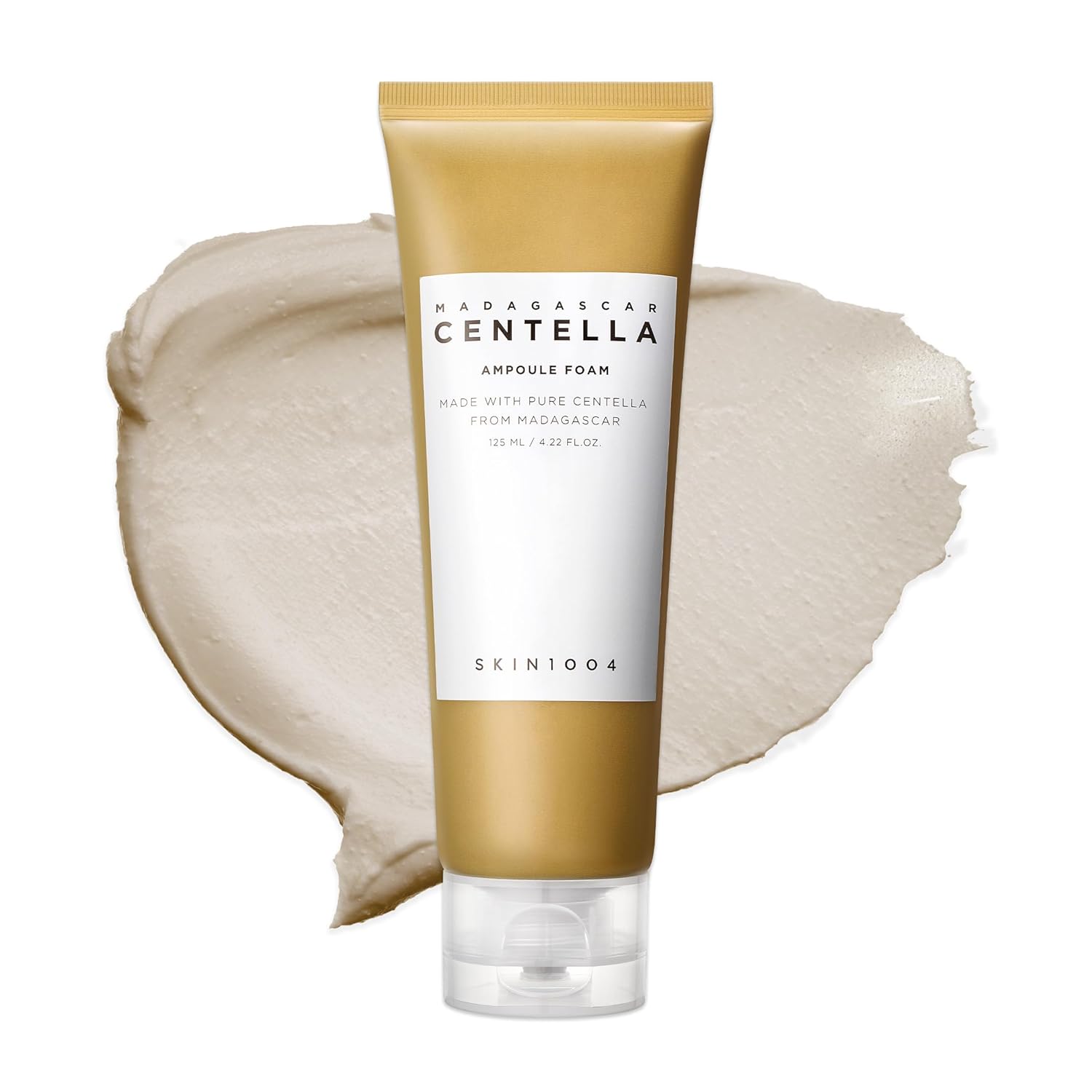 Available on Amazon
Step 2 – Layer a Lightweight Hydrating Serum
Hydration is essential, even for oily skin. Choose hyaluronic acid, panthenol, or beta-glucan serums. These ingredients pull water into the deeper layers of your skin without leaving a greasy film.
User Feedback: “After 2 weeks of using hyaluronic acid serum, my cheeks felt plump but less oily. My makeup stopped cracking.” – U.S. user review
Application Tip: Apply while your face is slightly damp to maximize hydration.
Step 3 – Use a Non-Comedogenic Moisturizer With Ceramides
Skipping moisturizer is one of the biggest mistakes for oily skin. Ceramides, squalane, and niacinamide repair and strengthen your skin barrier, preventing water loss.
Best Picks:
CeraVe PM Facial Moisturizing Lotion (non-comedogenic, barrier-repairing)
Etude SoonJung 2x Barrier Intensive Cream (gentle, fragrance-free)
Step 4 – Strengthen Your Skin Barrier (Avoid Harsh Exfoliants)
Reduce exfoliation to once a week and choose PHA or enzyme exfoliants instead of AHAs/BHAs. Harsh acids thin the barrier, causing both oiliness and dehydration.
Step 5 – Protect With a Breathable Sunscreen Daily
UV rays damage your barrier, worsening dehydration. Use a lightweight gel sunscreen labeled “non-comedogenic.”
Top Choice:
Beauty of Joseon Daily Tinted Fluid Sunscreen : Lightweight and calming for oily skin.
 Available on Amazon
Best Products for Oily but Tight Skin
Gentle Cleansers
- COSRX Low pH Good Morning Gel Cleanser
- CeraVe Hydrating Foaming Cleanser
Hydrating Serums
- Klairs Rich Moist Soothing Serum
- La Roche-Posay Hyalu B5 Serum
Lightweight Moisturizers
- Etude SoonJung 2x Barrier Intensive Cream
- CeraVe PM Facial Moisturizing Lotion
Common Mistakes to Avoid
Over-Washing or Skipping Moisturizer
Skipping moisturizer increases dehydration, forcing your sebaceous glands to produce more oil.
Using Heavy Oils or Occlusive Creams
Thick creams trap heat and worsen breakouts.
Ignoring Seasonal Adjustments
Switch to gel-type moisturizers in summer and cream-based ones in winter.
Final Tips – Build a Routine That Balances Oil and Hydration
Consistency matters more than expensive products. Follow this simple routine for at least 4–6 weeks:
- Gentle cleanser
- Hydrating serum
- Lightweight moisturizer
- Sunscreen
Many users report less oil production and smoother makeup application after a month.
Related Articles:
Oily vs Dehydrated Skin Guide – How to Tell the Difference
How to Keep Combination Skin Hydrated in Hot Summer
Calming vs Hydrating Mask: The Key Differences and When to Use Each
Want More Dermatologist-Approved Tips?
Discover dermatologist-approved product lists for oily but tight skin.
Affiliate Disclosure: This post may contain affiliate links. Purchases via these links may earn a small commission at no extra cost to you.
AdSense Notice: Ads shown on this page are automatically served by Google AdSense and are not related to affiliate content.
Medical Disclaimer: This post reflects personal experience and is not intended as medical advice. Please consult a qualified professional if you have specific skin concerns.


