
Author: Luna Jade – Beauty Specialist with 10+ Years in Global Cosmetic. In this article, we delve into the dynamics of the Indonesia Color Cosmetics Market.
Indonesia Color Cosmetics Market: Cultural and Seasonal Demand Triggers
In Indonesia, demand for color cosmetics often surges during cultural events like Eid al-Fitr (Idul Fitri), a national holiday characterized by celebrations, travel, and social gatherings. During this period, which in 2024 spanned from April 8 to April 15, workers received their THR (holiday bonus) — a mandatory 13th salary. With increased disposable income and social obligations, beauty consumption spikes dramatically. According to Kompass, color cosmetics sales increased by approximately 20% during the 2023 Eid season alone.
Indonesia Color Cosmetics Market Size and Growth Outlook
Statista forecasts Indonesia’s color cosmetics market will reach $1.94 billion in 2024 and continue growing at a CAGR of 5.35% through 2028. The market is segmented into five primary categories: eye makeup (mascara, eyeliner, eyeshadow), facial makeup (foundation, concealer, BB/CC creams), lip products (tints, lipsticks, glosses), nail care (polish, top coat), and natural cosmetics. Among these, lip and eye categories show the highest demand.
Economic Drivers of the Indonesia Color Cosmetics Market
Indonesia’s robust 5%+ economic growth and a projected GDP per capita of $5,000 in 2024 are fueling consumer spending on self-care and beauty. According to Statista, per capita spending on color cosmetics rose from $5.84 in 2022 to $6.65 in 2023, marking a 13.87% increase. In 2024, this is expected to climb to $6.95. This upward trajectory reflects a broader cultural embrace of self-expression through cosmetics.
K-Beauty’s Role in the Indonesia Color Cosmetics Market
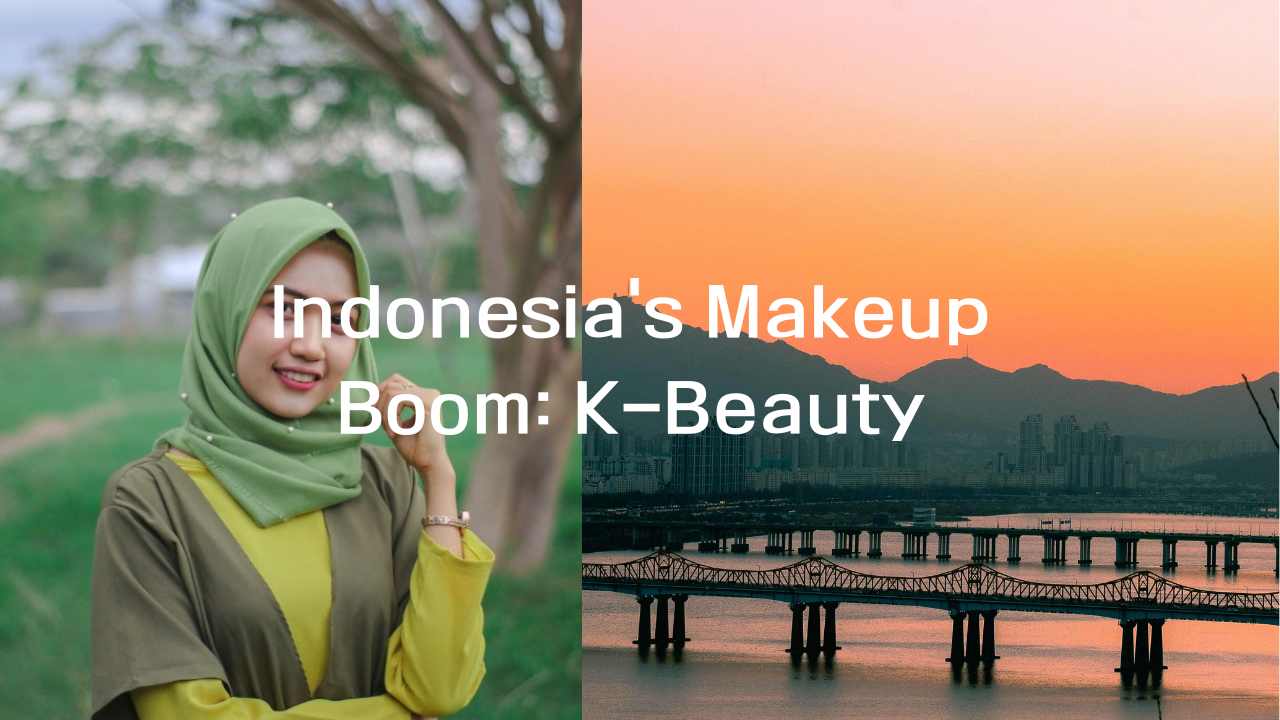
Korean beauty products have gained massive traction among Indonesia’s younger consumers, especially those aged 15–30. K-dramas and K-pop celebrities significantly influence local beauty trends. Lip tints and long-lasting formulas from Korea are particularly favored for their color payoff and staying power — ideal for Indonesia’s humid climate. In 2022, Indonesia imported $3.23 million worth of Korean lip cosmetics and $2.85 million of Korean eye makeup, ranking second in both import categories.
China’s Dominance in Manufacturing Impact on Indonesia
Despite the K-beauty boom, China remains Indonesia’s top import partner for color cosmetics, thanks to its massive production capacity and low OEM costs. Local and startup brands often turn to Chinese manufacturers for affordable, scalable product development, contributing to China’s growing import share.
Halal Regulations and Their Influences on the Indonesia Market
Indonesia is implementing sweeping halal regulations. Starting in October 2024, food products must display halal certification, with cosmetics required to follow suit by October 2026. With over 87% of Indonesians identifying as Muslim, halal compliance will be non-negotiable. Both local and international brands are preparing for this shift, seeking LPPOM MUI (Indonesia’s leading halal certification body) approval.
Product Durability and Climate Demands in the Indonesia
Indonesia’s tropical climate — with average temperatures above 30°C and high humidity — influences cosmetic preferences. Consumers demand high-performance, sweat-resistant, and oil-controlling products that can withstand the heat and rainy seasons. This has increased the popularity of long-wear formulations, especially for foundations, tints, and waterproof eye makeup.
Local Brand Innovation in the Indonesia
While multinational giants like L’Oreal once dominated, new local brands are emerging as formidable players. Brands like ESQA have gained traction among Gen Z and Millennial women by offering affordable, trendy products priced between IDR 45,000 and IDR 150,000 (approx. $3.60–$14). These brands leverage cost-effective manufacturing in China or Indonesia and prioritize minimalist packaging to reduce costs. Digital marketing via TikTok and Instagram has been crucial in building brand awareness.
Distribution Trends: Offline Meets Online
While offline retail remains essential — with brands showcased in stores like Sephora and Sociolla — e-commerce is rapidly growing. Consumers increasingly opt to buy cosmetics online due to convenience and cost savings. Platforms like Shopee and Tokopedia run aggressive promotions, including flash sales and loyalty points, accelerating online penetration. This has allowed smaller brands to bypass physical retail costs and reach national audiences more effectively.
Regulatory and Trade Conditions
Korean color cosmetics benefit from tariff exemptions under the Korea–Indonesia Comprehensive Economic Partnership Agreement (CEPA). However, compliance with BPOM (Indonesia’s food and drug agency) is mandatory before sale. Importers, not manufacturers, are responsible for securing BPOM approval. Additionally, importers granted BPOM licenses obtain exclusive distribution rights for five years — a key consideration for Korean exporters choosing partners.
Strategic Outlook for Exporters
Indonesia presents an unmatched opportunity for global cosmetic exporters. With a population exceeding 270 million, rapid GDP growth, and a youth-driven consumer base, the market is primed for innovation and expansion. The convergence of K-beauty popularity, halal regulations, digital retail growth, and Gen Z spending habits forms a perfect storm for market entry.
Exporters should prioritize:
Strong local distribution partnerships with BPOM-licensed firms
Halal compliance preparation well before the 2026 deadline
Long-lasting and climate-adapted formulations
Collaborations with local influencers on TikTok, Instagram, and YouTube
Flexible pricing strategies targeting middle-income consumers
Related Articles:
How Vietnam Is Shaping the Future of Organic Beauty in Asia
China’s Inner Beauty Boom: What Global Brands Need to Know in 2025
K-Beauty in Slovakia: Korean Skincar in European Beauty Market (2025 Report)
Indonesia Sheet Mask Market Trends 2025: Growth Outlook, Competition, and Regulatory
Method & Source Notes
This article was developed through the analysis of publicly available reports and trade statistics. Sources include Statista, Kompass, KOTRA Trade Office insights, UN Comtrade, and BPOM regulatory guidelines. Data was cross-verified across multiple sources to ensure neutrality and accuracy.
Disclaimer
This report is based on publicly available sources including Statista, Kompass, KOTRA, UN Comtrade, and BPOM guidelines. It is provided for informational purposes only and does not constitute legal, financial, or investment advice.
Note
Ads shown on this page are automatically served by Google AdSense and are not related to affiliate content.